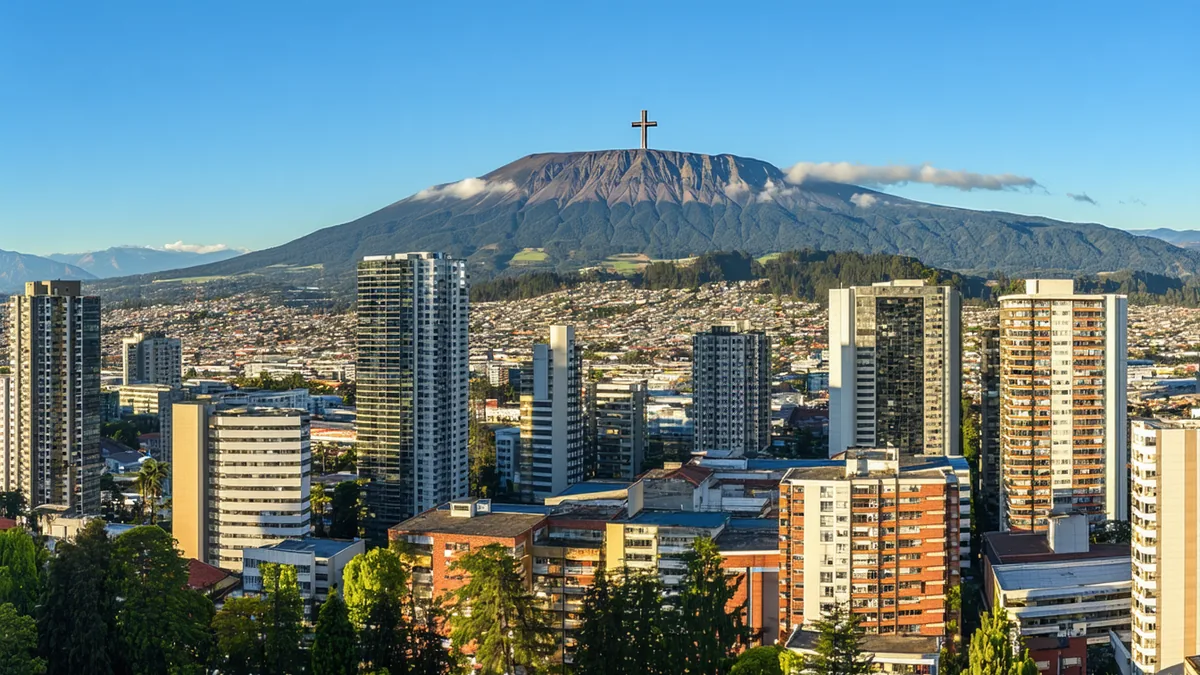
Distribution in Latin American travel doesn't follow a single template. The geography, the traveler mix, the local agency ecosystem, and the infrastructure realities differ enough between Colombia and Peru — let alone between Leticia and Lima — that strategies developed in one context don't automatically translate to another. What does hold across both markets is the underlying logic of how operators transition from direct-only to multi-channel without losing control of their inventory or their margins.
Two situations we've tracked through the platform illustrate this well. One involves a jungle-trek and river-expedition operator in Leticia, the Colombian Amazon city bordering Brazil and Peru. The other is a food and market tour company in Lima's Miraflores and Barranco districts. Both were direct-only businesses that had hit a plateau. Both built their way into multi-channel distribution over roughly a 12-month period. The paths look different; the strategic logic is the same.
The Leticia Case: Distribution at the End of the Road
Leticia is logistically isolated — there are no road connections to the rest of Colombia. Every visitor arrives by air or river. This means the local tourism economy depends almost entirely on packages assembled in Bogotá, Medellín, or internationally, rather than walk-in traffic from people already in the region browsing for things to do.
For a jungle expedition operator in this context, the core insight is that your end customer is almost never booking independently. They're booking through an incoming agency that packages the Amazon segment as part of a broader Colombia or tri-border itinerary. Which means the operator's primary distribution channel isn't OTAs or a direct website — it's the set of incoming agencies that sell Amazon packages from Bogotá and internationally.
The Leticia operator we're describing spent two years trying to grow direct bookings without fully reckoning with this reality. When they shifted focus to building structured reseller relationships with five Bogotá-based incoming agencies — providing net-rate price lists, a confirmed availability procedure, and consistent PDF product materials — their forward bookings grew substantially within three seasons. More importantly, they gained predictability: reseller bookings come in 30–60 days ahead of departure instead of 3–7 days, which changes staffing logistics for multi-day expeditions completely.
The complication was channel conflict. One of the Bogotá agencies they worked with also managed a consumer booking platform that competed with the operator's own website. Navigating that required a clear written agreement about minimum pricing floors and where the reseller relationship applied. This is the unglamorous but essential side of distribution network building — the commercial terms need to be explicit before channel conflicts create awkward conversations.
The Lima Case: Competitive Market, Different Problem
Lima's food and cultural tour market looks nothing like Leticia's. It's urban, densely competitive, highly accessible via both domestic and international flights, and served by a large population of independent travelers who do book directly. The direct booking case exists here in a way it doesn't in Leticia.
But Lima also has a substantial professional travel trade: incoming agencies packaging "Flavors of Peru" itineraries for culinary tourism groups, hotel concierge programs at Miraflores mid-range properties, and language school/cultural exchange programs that regularly book food experiences for student groups. These segments don't book via OTAs. They work through reseller relationships and require a different kind of operator engagement.
The food tour company we're describing had a strong direct booking operation and respectable OTA presence. Their gap was professional group business — the incoming agencies and hotels that were actively seeking bookable food experiences for their clients but hadn't found a product with the right net-rate structure and booking reliability.
Their approach was to build a distinct B2B product layer: the same tours, but priced with explicit net rates at different pax tiers (solo/pair, 3–6 pax, group of 7+), with a dedicated WhatsApp channel and eventually a platform-connected booking flow for reseller use only. This separation — keeping the B2B product track distinct from the direct consumer track — prevented the pricing confusion that comes when resellers and direct guests compare notes on what they paid.
What Both Cases Share: The Infrastructure Sequence
Despite very different markets, both operators followed roughly the same infrastructure sequence when building their distribution networks.
The first phase was product-readiness: packaging tours in a way that resellers could quote confidently, including net rate tables, group size parameters, inclusion/exclusion breakdowns, and cancellation terms. Neither operator had this documented before they started. Both found that the process of creating it clarified their own cost structure and margin thinking in useful ways.
The second phase was selective initial activation. Neither operator tried to sign 15 resellers at once. Both identified three to five priority channel partners — the agencies or incoming operators with the right client profile for their product — and built those relationships deeply before expanding. This matters because a bad early reseller relationship (one that creates pricing confusion, generates complaints, or over-promises on availability) sets back trust with other potential channel partners.
The third phase, which both operators are still working through, is systematizing the availability and booking confirmation process so that adding the next five resellers doesn't require proportionally more operations staff. This is the phase where the operational infrastructure catches up to the commercial ambition.
The Part That Doesn't Scale Automatically
We're not saying that building reseller relationships is operationally straightforward. The commercial agreements, the net-rate negotiations, the product documentation, the channel conflict management — these take real time and attention, especially in markets where business relationships in the travel trade are built on personal trust rather than platform profiles alone.
LATAM travel distribution in particular has a strong relationship-based culture. Agencies in Bogotá or Lima who are going to actively sell your product want to know who you are, want to have spoken to you, and often want to have done at least a familiarization visit before they start quoting your tours to clients. Building that trust can't be fully automated, and operators who treat reseller acquisition as a purely transactional process tend to get lower activation rates than those who invest in the relationship side.
What changes when you have the right infrastructure in place is that sustaining those relationships doesn't require constant manual effort. Resellers who can check availability and confirm bookings without calling you every time are much easier to maintain as active channel partners, and much more likely to keep pushing your product without needing constant re-activation.
Both operators in these cases are now running multi-channel distribution that accounts for a meaningful share of their total bookings. Neither would describe the process as simple. Both would say it changed the structure of their business in ways that matter beyond the revenue number — particularly around forward booking visibility and the ability to manage capacity planning with less last-minute uncertainty.